
The Ultimate HVAC Inspection Checklist for All Seasons

How many times have you wanted to schedule a check-up for your HVAC system and were told it would be a few weeks before someone could get out there? This issue is common when you call for home services during the peak seasons of summer and winter.
Don’t get stuck waiting for your system to be inspected and cleaned. Our ultimate HVAC inspection checklist will tell you everything you need to know about protecting your furnace, heat pumps, and air conditioners. You’ll also get tips on how to inspect and maintain humidifiers, dehumidifiers, and air cleaners.
Prefer to have someone else deal with your HVAC system? Hamilton Plumbing, Heating, A/C & Rooter is a local home services business that’s been helping homeowners maintain their HVAC systems for over 40 years.
Do you want a second opinion on your HVAC system? Call us for an in-home inspection!
Table of Contents:
Why Year-Round HVAC Maintenance Matters
What Does an HVAC Inspection Include?
The Common HVAC Warning Signs to Look Out For
Our Ultimate Seasonal HVAC Maintenance Checklist
Can You Do Your Own HVAC Checklist?
When Should You Schedule HVAC System Checks?
Frequently Asked Questions
Let Hamilton Plumbing, Heating, A/C, & Rooter Take Care of Seasonal Maintenance
Why Year-Round HVAC Maintenance Matters
A little maintenance now could save you from having to deal with a full-system shutdown in the middle of winter or summer. Maintenance checks are usually quick, keep your system working in peak condition, and can even extend your equipment’s lifespan.
While performing HVAC maintenance tests, you can take things a step further by having related appliances, like water heaters or humidifiers, tested too. Staying on top of seasonal maintenance ensures your home will stay comfortable and energy-efficient all year long.
What Does an HVAC Inspection Include?
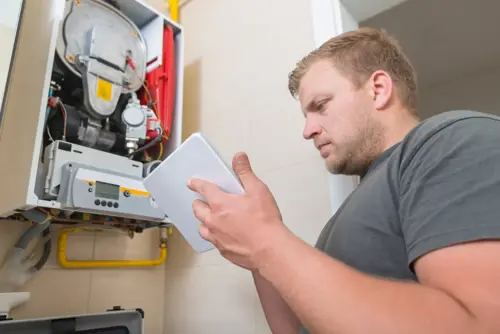
An HVAC inspection checklist includes reviewing and testing the internal and external parts of your heating and cooling system. An experienced HVAC technician will check for appropriate refrigerant levels and airflow, as well as look for dirt and signs of any pests or mold. They will also inspect:
Thermostats
Air filters
Motors
Heaters, exhaust systems, and gas connections
Electrical components
Evaporator coils
Condensers and condensate drains
Compressors and air handlers
The Common HVAC Warning Signs to Look Out For
Before we look into how to make an HVAC more efficient, you need to know the warning signs of poor performance. If you notice even one of these problems, your system could be at risk for a shutdown at some point.
1. Short Cycling
If your heating or cooling system turns on and off seemingly at random, you’re dealing with short cycling. This term refers to a system that can’t read temperature correctly, leading it to become ‘confused’ and turn off prematurely.
2. Higher Utility Bills
Does your heating or cooling bill seem unnaturally high compared to last year or the year before? Higher bills usually point to older systems that are becoming less energy efficient. These systems are often overworked as they try to cool or heat with worn-out parts, failing wiring, or poor airflow.
3. Excess Dust and Dirt
Some homeowners deal with itchy eyes, dry throats, and irritated sinuses whenever they turn on their heating and cooling system. Excess dust can sometimes indicate dirty filters that need changing or filthy ductwork that needs a professional cleaning.
Excess dust isn’t just annoying, though. Too much grime can clog your system’s grates and condenser coils, leading to performance issues that will only get worse.
4. Strange Noises or Odors
If you smell a little dust after turning on your HVAC, that’s normal and usually a sign you just need to change your filters. You shouldn’t smell any burning, chemicals, or odors reminiscent of rotten eggs: all of these indicate a serious safety hazard.
Make sure you don’t hear any whining, rattling, banging, or clanking, either. These sounds suggest parts are coming loose and need to be changed.
5. High or Low Humidity
You shouldn’t have too much humidity in your home, as this excess moisture is a breeding ground for mold. However, in a home with too little humidity, your eyes, nose, and skin can dry out.
HVAC professionals can not only fix your heating and cooling system, they can also install humidifiers or dehumidifiers. These accessories to your HVAC system should be checked every time you have your AC and furnace inspected. The best Overland Park HVAC companies and technicians should switch them on or off for you depending on the season.
6. Carbon Monoxide Problems
Another big furnace problem is the potential for carbon monoxide (CO) leaks. Even low levels of CO can contribute to dizziness, headaches, and nausea. If you neglect furnace maintenance, you could expose your household to this health hazard.
Fortunately, there are ways to detect excessive CO levels through the use of a carbon monoxide detector. If you install one or two of these in your home, they’ll sound an alarm whenever CO reaches an unsafe level. They work a lot like a smoke detector and require simple monthly tests from the homeowner, then seasonal inspections from a professional.
Want to learn a little more about how your HVAC system works? Take a look at our quick guide on important parts to check during a walkthrough inspection.
Our Ultimate Seasonal HVAC Maintenance Checklist
An HVAC preventative maintenance checklist doesn’t have to be hard to keep up with. We’ll list basic DIY fixes and preventative habits for each season so you can keep your home in peak condition.
We’ll also point out when you have a complicated problem on your hands that needs to be handled by a professional.
Spring Checklist
While you should be checking your HVAC year-round, spring maintenance is especially important. This season comes with dynamic weather like wind, rain, and higher humidity levels that can be rough on your system.
Replace your filters so they can keep up with higher levels of dust, dirt, and pollen. If you’re not sure how often to change an HVAC filter, aim for every two to three months.
Clear outdoor debris, like leaves and twigs, from your HVAC.
Double-check your thermostat to make sure it’s set to ‘cooling’.
Summer Checklist
Summer’s higher temperatures mean you’ll be using your air conditioner more often than not. Frequently running your system causes more wear and tear, though you can reduce the damage with this simple AC maintenance checklist:
Test your cooling system before a heatwave. Turn it on and make sure it’s able to cool your home within a few minutes. If you’re getting weak cooling or no cooling, you have a problem on your hands that needs a professional eye.
To improve airflow, clear away any vegetation growing around your outdoor unit. You may need to trim bushes or cut grass.
Monitor your indoor humidity with a hygrometer to get an idea of whether your humidity levels are too high or too low. You can easily find one at most hardware stores.
Fall Checklist
After summer, you likely won’t touch your cooling system much in favor of your heating system. Whether you use a gas furnace, oil furnace, or heat pump, do an HVAC inspection checklist to make sure your home can transition to chilly weather.
Test your thermostat to make sure it’s set to the proper ‘heat’ or ‘heating’ setting. Your heating tune-up checklist can also include calling a professional for a thermostat calibration if the readings seem off.
Inspect your burners for signs of damage, such as a leak or faulty pilot light.
Turn on your heater and keep an eye out for issues like weak heat or short cycling.
Look for signs of soot deposits, which can appear as dark spots above a furnace or on the wall behind a radiator. This issue is a sign your heater isn’t converting heat properly and needs a professional inspection ASAP.
Winter Checklist
The only season rougher on your HVAC system than summer is winter. Not only do you have to deal with chilly temperatures, you may also face storms, windy weather, and cold snaps.
When performing heating maintenance, make sure to:
Inspect your furnace to make sure the pilot light is a proper blue. If the color is orange or yellow, your system isn’t burning gas completely, potentially exposing you to carbon monoxide.
Turn your heating system on and inspect for any strange sounds or odors. A little dustiness is fine, but a musty odor could be mold build-up, while a burning or rotten-egg smell is a serious issue that needs professional help. You also shouldn’t hear any rattling or banging.
Can You Do Your Own HVAC Checklist?
You can go through a simple HVAC inspection checklist with tasks like changing filters, testing thermostats, and clearing debris from outdoor units. That said, several checklist items require a specialized technician to keep you safe.
If you suspect any of the following issues, you need to call a professional home service:
Low refrigerant levels in your cooling system
A yellow or orange pilot light in your furnace
Strange burning or rotten egg smells
Odd noises like rattling, banging, or whining
Complete system shutdowns
When Should You Schedule HVAC System Checks?
It’s best to schedule an HVAC system check during spring or fall since these periods are usually ‘off-season’ for home services businesses. The milder weather results in less need for heating or cooling, so they receive fewer calls for new installations or emergencies.
If you’ve experienced peak-season delays before, an early maintenance check will give you peace of mind heading into winter or summer.
Let Hamilton Plumbing, Heating, A/C, & Rooter Take Care of Seasonal Maintenance
Sometimes your schedule is just too busy for you to inspect and clean your heating and cooling system. We can take the work off your hands with our thorough seasonal maintenance inspections, so you can enjoy each season with peace of mind.
Our expert HVAC inspection checklist takes anywhere from one to three hours, depending on the state of your equipment and any other appliances you need a technician to inspect. The final cost will also depend on the severity of any problems we find. Our Pro Service Plan comes with discounts to help you budget and priority service so you can get assistance faster.
Keep your heating and cooling systems in peak condition no matter the weather. Schedule your appointment online today!
